Your Breath Is Trying to Save You — Are You Actually Listening?
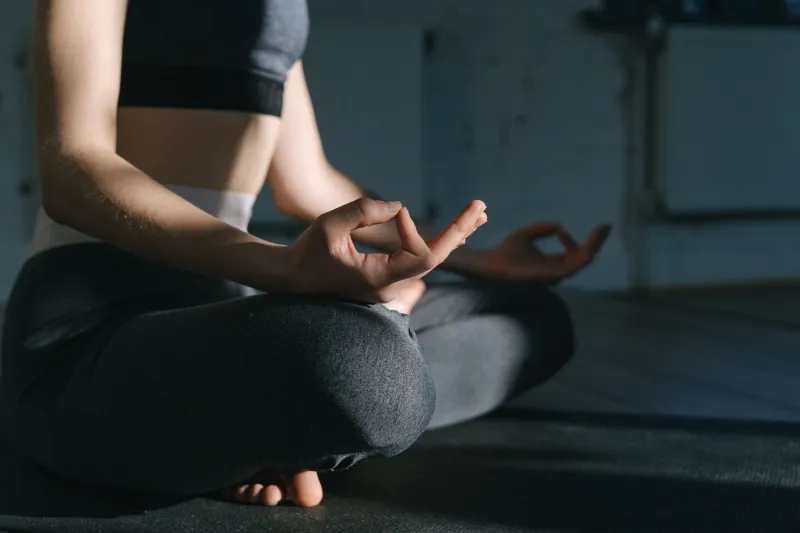
You've probably been breathing wrong your whole life. Not in a catastrophic way — obviously you're still here — but in the subtle, shallow, chest-clenching way that most stressed-out Americans have normalized without even noticing. If you're commuting on the N train, fielding back-to-back Slack messages, and somehow also trying to be a present parent or partner by 6 PM, your nervous system is working overtime. And your breath? It's just along for the ride.
That's starting to change in Astoria. Across this vibrant, beautifully chaotic corner of Queens, a growing number of residents are turning to breathwork — structured, intentional breathing practices rooted in both ancient tradition and modern neuroscience — as a genuine mental health strategy. Not a trend. Not a supplement to buy. Just breath.
What Actually Happens in Your Body When You Breathe With Intention
Here's the part that surprises most people: breathing is the only autonomic function you can consciously control. Your heart rate, digestion, hormone release — your body runs all of those on autopilot. But the breath sits right at the intersection of voluntary and involuntary, which means it's a direct doorway into your nervous system.
When you're anxious or overwhelmed, your body activates the sympathetic nervous system — the classic fight-or-flight response. Cortisol spikes. Heart rate climbs. Muscles tighten. Digestion slows. This is a brilliant survival mechanism if you're running from something dangerous. It's considerably less useful when you're just trying to get through a Tuesday.
Slow, controlled breathing — particularly extended exhales — activates the parasympathetic nervous system, sometimes called the "rest and digest" mode. Research published in journals like Frontiers in Human Neuroscience has shown that even a few minutes of slow diaphragmatic breathing can measurably reduce cortisol levels, lower blood pressure, and shift brainwave activity toward calmer states. The science isn't fringe anymore. It's mainstream enough that the U.S. military now teaches tactical breathing to soldiers managing combat stress.
What Astoria Practitioners Are Seeing on the Ground
Maria, a certified yoga instructor and breathwork facilitator who has been teaching in Astoria for over six years, says the shift in her students' interest has been unmistakable — especially since the pandemic reshuffled everyone's relationship with stress.
"People come in thinking they need a harder workout or a better diet," she explains. "And sometimes they do. But a lot of the time, what they actually need is to learn how to exhale. Fully. Like, really let it go. Most of us are walking around half-inhaled all day."
She describes working with clients who've tried therapy, medication, and every wellness app on the market — and found breathwork to be the piece that finally clicked. Not because it replaced those other things, but because it gave them an embodied tool they could use in real time, in the middle of a panic attack or a difficult conversation.
Jordan, a licensed mental health counselor who integrates somatic techniques into his practice in Astoria, echoes this. "The breath is the fastest on-ramp to the nervous system that we have access to without medical intervention. It's not magic — it's physiology. And it's radically underutilized."
Three Breathwork Techniques You Can Try Right Now
You don't need a studio, a subscription, or any equipment. You just need a few minutes and a willingness to pay attention.
1. Box Breathing (4-4-4-4) Inhale for four counts. Hold for four. Exhale for four. Hold for four. Repeat four to six times. This technique is used by Navy SEALs and trauma therapists alike — which tells you something about its range. It's particularly effective before high-pressure situations like difficult conversations, presentations, or moments when anxiety starts to spike.
2. Extended Exhale Breathing (4-7-8) Inhale for four counts, hold for seven, exhale slowly for eight. The long exhale is the key — it's what signals your parasympathetic nervous system to kick in. Dr. Andrew Weil popularized this one, and while some of the more dramatic claims around it are overstated, the core mechanism is solid. Try it before bed if you're a chronic overthinker.
3. Physiological Sigh This one's almost embarrassingly simple. Take a normal inhale, then add a second quick sniff at the top to fully expand your lungs. Then release a long, slow exhale through your mouth. Stanford researchers have identified this as one of the fastest ways to reduce acute stress — and your body does it naturally when you've been crying hard, which is part of why a good cry can feel so physically relieving.
Why We Overlook the Obvious
So if breathing is this effective and this accessible, why aren't more people doing it intentionally? Part of it is cultural. In the US, we tend to trust things that cost money, come in a bottle, or require a device. A free practice that just asks you to slow down feels almost too simple to be real.
There's also the discomfort factor. Slowing down your breath means slowing down your mind, at least a little. And for a lot of us — especially those managing anxiety, grief, or trauma — that stillness can feel threatening before it feels safe. This is worth acknowledging rather than glossing over. Breathwork isn't always a gentle, pleasant experience. Sometimes it surfaces emotions. That's not a malfunction; it's often the point.
If you're dealing with significant trauma or a serious mental health condition, working with a trained practitioner before diving into intensive breathwork is genuinely worth considering. The breath is powerful, and that power deserves some respect.
Bringing It Back to Astoria
There's something fitting about a neighborhood as layered and alive as Astoria becoming a quiet hub for this kind of practice. This is a community of people who know how to hold a lot at once — multiple languages, multiple cultures, long shifts and longer commutes, big dreams and real pressures. The need to decompress isn't a weakness here. It's a survival skill.
Whether you find your way to a breathwork class at a local studio, carve out five minutes on your lunch break, or simply start noticing how you're breathing right now — the invitation is the same. Your nervous system is always listening. Your breath is always available. The question is whether you're willing to use it.
Start with the exhale. Everything else follows.