You Moved to Astoria to Fix Yourself — So Why Do You Still Feel Broken?

The Dream Was Real. The Relief Wasn't.
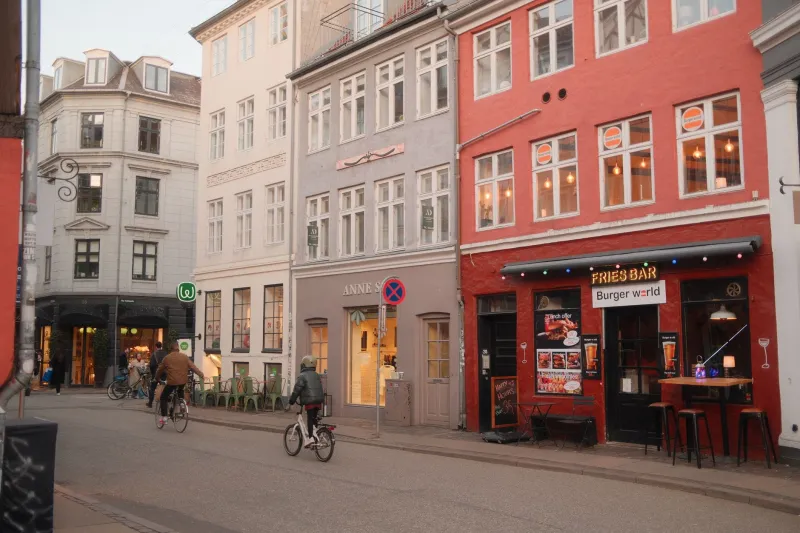
You had a vision. Maybe it was the farmers market on a Saturday morning, canvas tote in hand, grabbing fresh bread and making small talk with a neighbor. Maybe it was the idea of finally having a park close enough to actually use, or a yoga studio you could walk to without calculating subway transfers. Astoria checked every box. Diverse, vibrant, close to the city but not crushed by it. A place where a better version of you felt possible.
So you signed the lease. You moved in. You unpacked.
And then, somewhere between assembling your furniture and figuring out which bodega has the best coffee, the anxiety came back. Maybe it never left. Maybe it got louder.
If that sounds familiar, you're not alone — and you're not failing at Astoria. You're running into one of the most common and least-talked-about traps in modern wellness culture: the belief that changing your external circumstances will heal your internal ones.
Geography as Self-Help
We live in a culture that's obsessed with optimization. The right diet, the right routine, the right neighborhood. There's an entire genre of content built around the idea that your environment is your destiny — and look, there's real science behind the fact that green space, walkability, and community connection do support mental health. That part isn't wrong.
But somewhere between the research and the real estate listing, a subtle lie gets inserted: if you just get yourself to the right place, you'll become the right person.
This is what psychologists sometimes call "geographic cure" thinking. It's the idea that a physical move will outpace the psychological patterns you've spent years — sometimes decades — building. Spoiler: it doesn't. Your nervous system moves with you. Your attachment style rides shotgun. Your relationship with rest, with productivity, with self-worth? It's all in the moving boxes.
Astoria is genuinely wonderful. But it's not a therapist. And treating it like one sets you up for a very specific kind of disappointment.
The Paradox of the 'Perfect' Neighborhood
Here's where it gets a little counterintuitive. Living somewhere that should make you happy — and still feeling off — can actually make anxiety worse, not better.
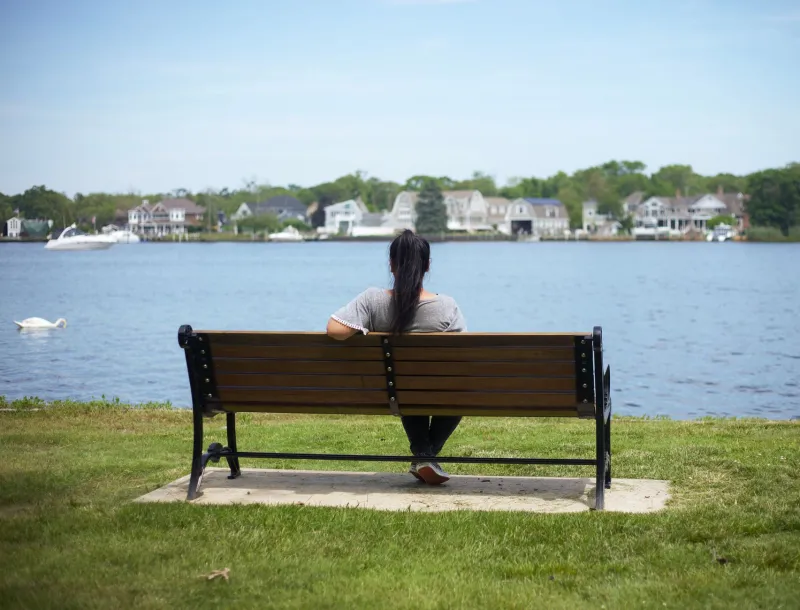
When your environment looks like a wellness brochure and you're still struggling, the internal narrative shifts from "my circumstances are hard" to "something must be wrong with me." You start comparing your insides to Astoria's outsides. You see people doing exactly what you moved here to do — brunching, biking, laughing in Socrates Sculpture Park — and wonder why you can't just... be that.
The pressure to be well in a place that seems designed for wellness is its own quiet stressor. And that pressure has a way of turning inward fast.
What the Move Actually Did (And Didn't Do)
Let's give the move some credit where it's due. Getting out of a genuinely toxic environment — a neighborhood with no green space, a living situation with bad boundaries, a city that was grinding you down in ways that weren't sustainable — that matters. Sometimes distance from a harmful context is genuinely necessary for healing to begin.
But beginning isn't the same as completing. The move can create the conditions for growth. It cannot do the growing for you.
What actually shifts internal patterns? Slower, less glamorous stuff. Consistent therapy. Learning to sit with discomfort instead of relocating away from it. Developing a mindfulness practice that you use when things are hard, not just when they're Instagrammable. Building real relationships, not just proximity to a community. Doing the uncomfortable work of understanding why your nervous system fires the way it does.
None of that fits neatly into a moving announcement post. But all of it matters more than the zip code.
The Mindfulness Piece Nobody Talks About
One of the core ideas behind any serious mindfulness practice — yoga, meditation, breathwork, whatever your entry point is — is that you cannot think your way out of your body. Anxiety lives in the nervous system, not just the mind. And the nervous system doesn't care that you now live within walking distance of three different yoga studios.
What it does respond to is repeated, embodied practice. Not the idea of practice. Not the intention to practice. Actual, consistent, sometimes boring, often imperfect practice.
This is why we talk so much at Namaste Astoria about what wellness looks like on a Tuesday when you're tired and stressed and the last thing you want to do is breathe deeply. That's the real practice. Not the beautiful Saturday morning version. The Wednesday-night-at-10pm-when-you're-spiraling version.
Astoria can be a genuinely supportive backdrop for that work. The parks, the community, the slower pace compared to Manhattan — these things are real assets. But they're assets, not answers.
So What Do You Actually Do?
If you moved here looking for a reset and found yourself still running the same old mental loops, here are a few honest starting points:
Acknowledge the disappointment without catastrophizing it. Feeling let down by a move you were excited about doesn't mean you made the wrong choice. It means you're human and you expected geography to do something it was never equipped to do.
Get curious about what specifically still feels hard. Is it loneliness? Work stress that followed you across the bridge? Old patterns in relationships? Getting specific about what's actually driving the anxiety gives you something real to work with.
Find one embodied practice and actually do it. Not because Astoria has great yoga studios (it does), but because your nervous system needs consistent input, not occasional inspiration. Walk to Astoria Park and breathe. Take the class. Show up even when you don't feel like it.
Consider talking to someone. A good therapist, especially one who works somatically or with anxiety, can help you understand what's happening in your body in ways that no neighborhood redesign can.
Stop performing the life you moved here to live. The farmers market haul, the aesthetic coffee shop moment — none of that is bad, but if it's functioning as a costume for a version of wellness you don't actually feel, it's worth noticing.
Astoria Is Still Worth It
None of this is an argument against being here. Astoria is, genuinely, a place worth living. The community is real. The pace is more human than a lot of New York. There are resources here for people who want to invest in their wellbeing — classes, green space, neighbors who actually know your name.
But the neighborhood works best as a support structure for internal work, not a substitute for it. When you stop asking Astoria to fix you and start using it as a place to practice — to breathe, to slow down, to show up for yourself in small ways — something actually shifts.
Not because you moved somewhere better. Because you started doing something different.
And that, it turns out, is the only geography that ever really mattered.